Human Violence and the Varieties of Aggression
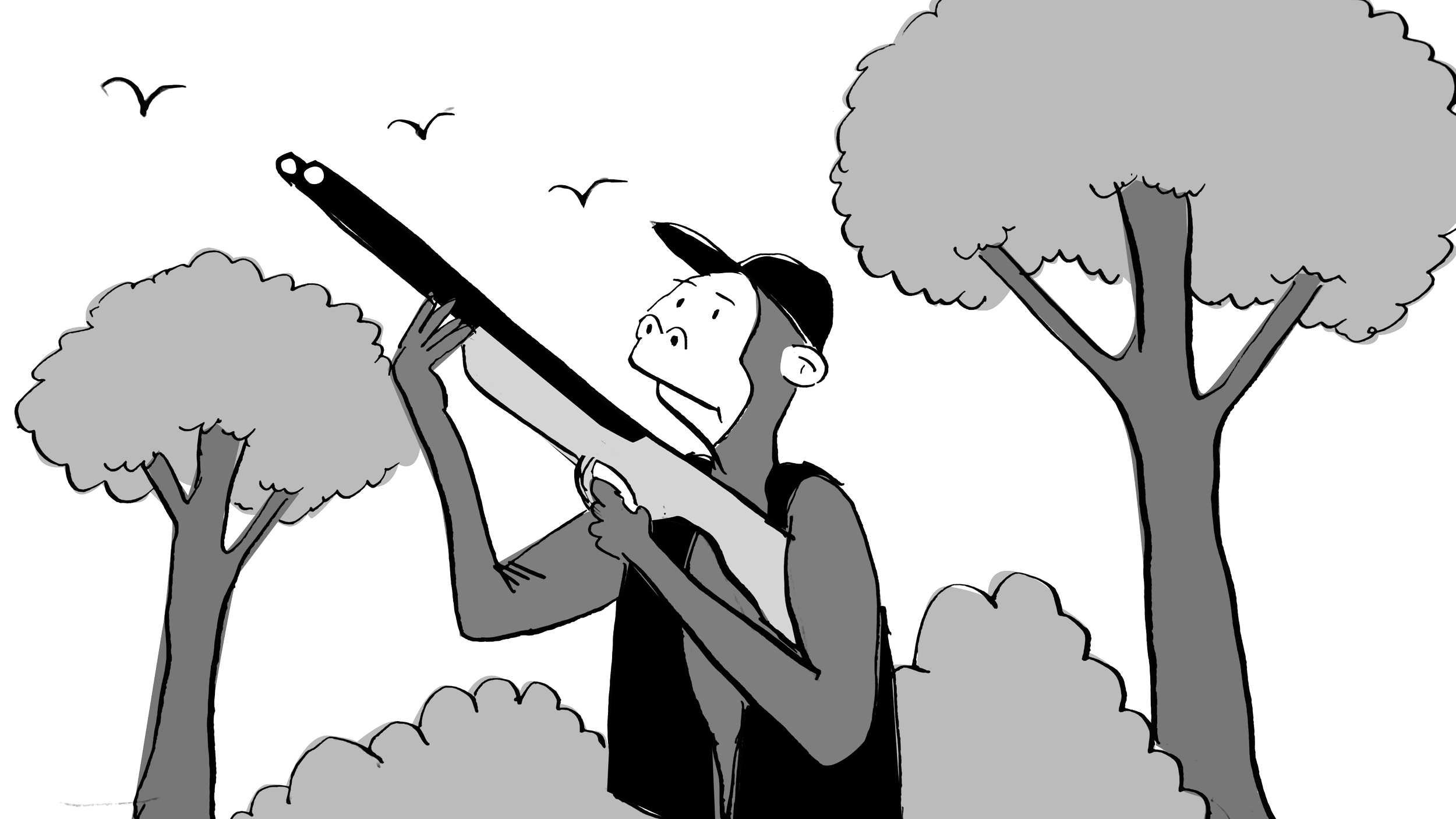
We are inclined towards violence. This is an inherent characteristic of our human nature. It is not necessary to embark on an extensive search to observe this phenomenon; a mere glance at the news on television or a newspaper will suffice. At any given moment, instances of human violence are taking place all over the world. While our current focus may be on the unrest in Ukraine, as well as in Israel and Gaza, it is crucial to recognize that violence is not limited to a specific geographic area or a specific period in human history. When we look at the entirety of human history, we find that violence is common. To understand large-group conflicts such as war, it is necessary to reflect on the reasons why humans are so violent. To examine this question, the fields of evolutionary biology and evolutionary psychology, as well as psychoanalysis, can provide valuable insights. According to these perspectives, human violence is not a random phenomenon; rather, it has had survival value at some point in human evolution.
Violence and Evolution
Let us start with violence at the level of the individual where people commit acts of violence against another person or other people. This type of violence is important to understand because it is at least in part related to the roots of violence in small and large groups, including nations that engage in warfare against other nations.
A key to understanding the origins of human violence begins with our closest primate relatives, such as bonobos (Pan paniscus), chimpanzees (Pan troglodytes) and gorillas (Gorilla gorilla and Gorilla beringei). In the past, violence likely played a role in ensuring the survival and propagation of a primate ancestor we had in common with bonobos, chimpanzees and gorillas.
The evolutionary perspective of human violence is also related to a psychoanalytic understanding of the human mind, specifically through how we feel and process aggression. This is associated with the death drive. We can think of the death drive as generally representing aggression in the service of survival. To give an example, let’s think about an insect walking on the ground—imagine your least favorite insect for the sake of this example. Now, if you were to approach this bug with the intention of squashing it, what would it do in response? The bug has two possible reactions. It might decide to run away, understandably wanting to avoid being squashed. This is what biologists label a “flight” response. Even though the bug doesn’t have much of a brain or cognitive capacity, it still has enough awareness to try and prevent its being killed. On the other hand, the bug could choose to defend itself, employing what biologists label a “fight” response. For example, if the insect happens to be a bee or a wasp, and it perceived that you were making a threatening gesture, it would react by stinging you, causing you to abandon your plan. This aggressive behavior would allow the insect to survive and reproduce in greater numbers than insects that didn’t react aggressively. According to natural selection, this protective aggressive behavior will persist because it confers survival value or “fitness” to the insect. In other words, insects that were squashed were not able to continue propagating their DNA. As a result, the surviving insects are the ones that have successfully protected themselves from danger, ensuring their ability to have offspring. This type of aggressive behavior has become programmed into their nervous systems.
Defensive Aggression
The type of defensive aggression outlined above is just one type of aggression within the animal kingdom. The biologist and ethologist Konrad Lorenz, an intriguing figure, offers an insightful theory on aggression in the animal kingdom. Lorenz identified four distinct types of aggression: defensive, maternal, predatory and display. As described above, defensive aggression can be seen in an animal trying to protect itself with a fight response. This form of aggression stems from an animal’s innate desire to avoid being consumed or harmed. A personal anecdote gives a sense of the concept of defensive aggression.
Kevin Volkan once lived in a place where skunks were abundant. He owned a dog that was bred for hunting small animals. One warm night, he left his backdoor open, allowing the dog to go into the backyard. Unfortunately, a skunk showed up, and upon spotting the small animal, the dog instinctively pounced on it. In response, the skunk released its noxious spray directly into the dog’s face. Distressed and desperate for relief, the dog rushed into the house and jumped on the bed where Kevin was sleeping. This happened around three o’clock in the morning. The stench from the skunk was so overpowering that he experienced both auditory and visual hallucinations. Luckily, the 24-hour supermarket stocked large gallon bottles of an enzymatic skunk odor neutralizer called Skunk Away. This anecdote serves as a testament to the effectiveness of skunks’ defensive aggression in keeping themselves alive and not becoming a meal for potential predators.
Maternal (Parental) Aggression
The next type of aggression, maternal aggression, is a phenomenon that may be familiar to many. While we often associate this concept with humans and primates who care for their young over relatively long periods of time, this type of aggression is present in other animals as well. One example that is well known in popular culture is the maternal aggression displayed by bears. There are many accounts of people encountering and then approaching what seem to be adorably cute grizzly bear cubs in the wilderness. As some have found out the hard way, this seemingly innocent act can have dire consequences. For example, grizzly bear mothers are fiercely protective of their offspring and will not hesitate to become aggressive towards even the slightest perceived threat. This hyper-aggressiveness has evolved in bears because of the propensity of male bears to attack the cubs sired by other males.
It is important to note that so-called maternal aggression also occurs in fathers. In fact, this type of aggression might better be termed parental aggression. For instance, when reflecting on competitive activities for children such as Little League or soccer, it becomes evident that aggression among parents is more common than it is among the children who are competing with each other. It is not uncommon to witness fights between parents arising from a perceived unfair call by an umpire or referee. Consequently, many of the sports rules for school-age children are not directed towards the children but rather towards their parents.
A noteworthy, but somewhat twisted, human example of maternal aggression occurred in Texas several years ago. In this notorious case, a mother “protected” her daughter by orchestrating a plot to kill a rival student and her mother who posed a threat to the daughter’s aspiration of earning a spot on her junior high school’s cheerleading squad.
Predatory Aggression
Predatory aggression is another form of aggression that is universal in the animal kingdom. This type of aggression is used when one animal seeks out and consumes another for sustenance. In contemporary times, we have become removed from this type of aggression since acquiring meat is a relatively effortless task. We visit the local market and choose from the meat section, or order meat from an online grocery delivery service. In contrast, in the not-so-distant past, if you wanted meat, you had to catch it yourself. Back in the day acquiring meat required more effort. Thus, the ability to manifest aggression was vital to procure high-density protein.
While predatory aggression, characterized by the straightforward pursuit and capture of prey, is not a prevalent feature of first-world human society, it is perhaps represented symbolically in sports and competition as well as in recreational hunting, fishing, etc. While some individuals enjoy hunting as a recreational activity, this form of aggression has been symbolized and stylized to a significant extent. We no longer find ourselves venturing into the wilderness to hunt for our daily sustenance. The act of hunting, with its subsequent rituals of bleeding, skinning, eviscerating, cleaning and cooking the prey, is not a common occurrence during our lunchtime endeavors.
It has been argued that hunting behavior played a significant role in the evolution of the hominid brain, as well as in its intellectual and imaginal capacity. We became more intelligent and develop superior hunting skills, which consequently enabled us to procure greater sources of protein and denser foods to fuel our expanding brains. This symbiotic relationship between enhanced hunting abilities and heightened intelligence may have played a pivotal role in the evolution of human intellect.
Display Aggression
The last type of aggression is display aggression. Typically, animals that exhibit display aggression exist within a social hierarchy, where individuals compete for resources, territory or access to mates, specifically in the case of male animals competing for the opportunity to mate with females. While there may be exceptions, most display aggression occurs in the pursuit of territory that contains resources such as food. As Dominic Johnson and Monica Duffy Toft write,
Across animal species, territorial behavior has a number of characteristics: (1) it is most developed in adult males; (2) it operates more or less clearly delimited area within which males signal strength and agility to intruders (usually of the same species); (3) the resident male usually wins (or if not, it is the larger individual that does); (4) territorial displays are among the most elaborate of all behaviors in the species’ behavioral repertoire; (5) physical or auditory displays tend to make individuals appear larger and more dangerous; and (6) the competitive exchanges are mostly bluffing and fighting does not usually result in injury or death… Territoriality, however, explains many aspects of peace as well—regulations overseas and airspace, international law, exploitation right, border security, immigration controls, negotiations and treaties over territory that remain short of war and, not least, the very division of the globe into territorially bounded nation-states in the first place. The world map—even during times of peace—is a picture of human territoriality.
It is worth noting that display aggression can be exhibited by an animal seeking to move up in a dominance hierarchy, or an animal in a dominant position in the hierarchy maintaining their position against challengers, or in a spontaneous competition for dominance without any reference to a hierarchy. The behavior of dogs provides a good example of display aggression that many of us have witnessed. When two dogs encounter each other, they engage in a series of behaviors to establish their relative dominance or submissiveness. This typically involves sniffing each other’s hindquarters, which serves as a form of communication. When dogs try to establish which is dominant, they will growl at each other. This may escalate into a fight until one animal gives up and becomes submissive. One dog attempts to assert its dominance over the other, while the other dog chooses to challenge its dominant counterpart or submit to its authority. This can sometimes escalate into physical fights, though these fights typically do not result in injury and death. However, one of the dogs will typically display submissive behavior defusing potential aggression in the other dog. Dominance or submission doesn’t seem to be related to age or weight differences between dogs. The submissive dog recognizes the other dog’s superiority and avoids confrontation. When a dog shows submission, it typically performs a lowered tail wag, rolls over and exposes its belly, licks the mouth of the other dog and/or passes under its head as a sign of deference. This display of submission is a clear indicator of the power dynamics at play and the recognition of dominance by one dog over the other.
In most species display aggression is not lethal, though there are many exceptions, including wolves, lions and, of course, chimpanzees. Display aggression is often intricately linked to sexual access and the pursuit of mates within various animal species and is quite common among primates, including humans, in this context. In the case of human beings, however, these behaviors are not as clearly categorized or confined to specific patterns. Instead, there is a mixture of various behavioral traits that coexist in a complex manner.
A good example of display aggression studied by Lorenz can be seen in mouthbrooding cichlid fish (Haplochromis burtoni), which are closely related to the more commonly known fighting fish that one may encounter at an aquarium or even purchase at a pet store. These tropical fish exhibit fascinating behaviors and employ intriguing strategies in their quest for reproduction. It is worth noting that the dominant (alpha) males of this species tend to possess vibrant and eye-catching colors and engage in fierce battles to defend their territory from any potential intruders. The alpha males will fight each other to establish control over a specific territory where the females deposit their eggs. Consequently, the alpha male will fertilize these eggs by releasing his reproductive milt across them. Interestingly, other “beta” or “bachelor” males employ a cunning strategy to avoid the display aggression of the alpha males. The beta males will mimic the appearance of females and cleverly infiltrate the territory without drawing suspicion and proceed to fertilize the eggs as well.
Naturally, such a complex reproductive system necessitates the presence of aggression, specifically display aggression, which is prominently exhibited by brightly colored alpha males. Members of the animal kingdom frequently showcase genetic fitness through displays of vibrant colors—for instance, the flamboyant display of peacocks, characterized by their elaborate feathers. Although this behavior may not be inherently aggressive in nature, it does serve as a visual display aimed at attracting potential mates.
Display aggression is also observed among primates, particularly monkeys. In these cases, display aggression typically revolves around the males’ efforts to gain sexual access to the females. This parallel between the animal kingdom and human behavior suggests that human beings may exhibit similar patterns of aggression in certain contexts, particularly those related to sexual dynamics.
Kruger Park
Great examples of the types of aggression outlined by Lorenz can be seen at Kruger National Park in South Africa. Vamık Volkan visited Kruger Park and experienced firsthand each type of aggression we have listed. He wrote about the deep impression his ride around the park made in his book Enemies on the Couch:
During the ride I saw a kind of “oedipal story” performed by elephants. While we were being driven around, the air began to smell peculiar. The guide informed us that the smell was coming from a sexually aroused young male elephant; it was the smell of testosterone. This excited elephant had spotted an older male elephant with two female companions and two very young elephants. The sexually aroused male elephant rushed to this “family gathering” in a fury, causing the female elephants to take their “children” and slowly moved away while the two male elephants, the younger one and the older one, pulled up some trees with their trunks and started hitting each other. We watched them for some time in amazement. Then we were driven away before we could see the end of this fantastic battle. . . . I decided to make a list of what I observed the animals doing at Kruger Park: Searching for food, possessing a territory, having sex, making babies, protecting babies, losing a loved one, forming groups, males competing with other males in the same group, exhibiting aggression and submission, experiencing fear, developing species-oriented defenses, escaping from or fighting and killing the “other” and being preoccupied with individualized and group survival. . . . I amused myself by thinking that no candidate in a psychoanalytic institute should be allowed to graduate without first visiting Kruger Park and observing wild animals illustrating elements that also underlie human nature.
There is a famous YouTube video titled “Battle at Kruger” that highlights predatory, defensive and parental aggression. The video is well worth watching, as it shows a thrilling encounter between a group of Cape buffalo, a small pack of lions and two crocodiles at the Transport Dam watering hole in Kruger National Park. The video starts off with the buffalo heading towards the water, unaware of a nearby pride of the lions. In an act of predatory aggression, the lions chase the buffalo herd. The herd panics and runs off. Unfortunately, a slower-moving buffalo calf is caught by a lion and, during the ensuing struggle, falls into the water. While the lions attempt to drag the calf out of the water, the calf is attacked by two crocodiles that lock onto its hindquarters in yet another act of predatory aggression. The lions then have a tug of war with the crocodiles for the calf. Eventually, the lions are able to pull the calf out of the water. By this time, however, the buffalo herd has regrouped and in a beautiful example of collective defensive and parental aggression, the herd launches an assault on the lions, forcing them to retreat and freeing the calf.
Human Aggression
There is a reciprocal relationship between predatory aggression and defensive aggression—an arms race if you will. Defensive aggression evolves to better protect against predatory aggression and predatory aggression evolves to overcome defensive aggression. Predatory and defensive aggression primarily occurs between different species of animals. Maternal (parental) aggression occurs between the same and different species, while display aggression occurs within a species. Human beings exhibit all four types of aggression and may demonstrate mixed combinations of these types of aggression. Among humans the complexities of aggression, specifically display aggression, extend far beyond the simple examples of aggression in the animal world.
For humans and our closest primate cousins, as well as a few other species, display aggression can be deadly. While human beings may exhibit certain parallels to the aggression observed in animals, it is crucial to recognize the distinctiveness of human behavior, which is shaped by our advanced cognitive abilities and cultural influences, as well as our psychological development. Human defensive, maternal, predatory, and display aggression possess a high level of symbolism. When examining human behavior, one can observe that these different forms of aggression often intertwine, making them complex and not easily categorized.
This essay is excerpted from Human Aggression, War and Genocide: The Psychological Roots of Violence, which is available for purchase at these paid links: Amazon, Bookshop, and Pitchstone.
Vamık Volkan is an Emeritus Professor of Psychiatry at the University of Virginia and an Emeritus Senior Erik Erikson Scholar at the Erikson Institute of the Austen Riggs Center. He was a member of the International Negotiation Network under the directorship of former President Jimmy Carter.
Kevin Volkan is professor of psychology at California State University Channel Islands. He holds doctorates in clinical and quantitative psychology, is a graduate of the Harvard School of Public Health, and a former Harvard Medical School faculty member.